The story of the Black Rodeo goes back to African American cowboys in the West. After the Civil War, thousands of formerly enslaved men found work on ranches across Texas, Oklahoma, and other western territories. These men became skilled horse riders, cattle handlers, and trail drivers. Historians estimate that one out of every four cowboys in the late 1800s was Black, though their contributions were not recognized.
As ranching grew in popularity, rodeos began appearing across the American West in the late 1800s and early 1900s. These events showcased the skills cowboys use on ranches every day—bull riding, bronc riding, calf roping, steer wrestling, and barrel racing. However, due to racial segregation and discrimination, African American cowboys were often excluded from many mainstream rodeo competitions or were given limited opportunities to compete.
In response to these barriers, Black cowboys began organizing their own rodeo competitions. These events created a space where African American riders could showcase their talent and compete for prize money. The earliest organized Black rodeos were held in the early 20th century in Texas and Oklahoma where many Black ranching communities were located.
A major turning point came in 1984, when rodeo promoter and producer Lu Vason created the Bill Pickett Invitational Rodeo. Vason wanted to showcase the legacy of Black cowboys and cowgirls while giving them a national stage to compete. The rodeo was named after Bill Pickett, a legendary African American cowboy known for inventing the rodeo sport of bulldogging (steer wrestling). The event quickly grew in popularity and traveled to major cities across the United States, bringing the excitement of the Black rodeo to large audiences.
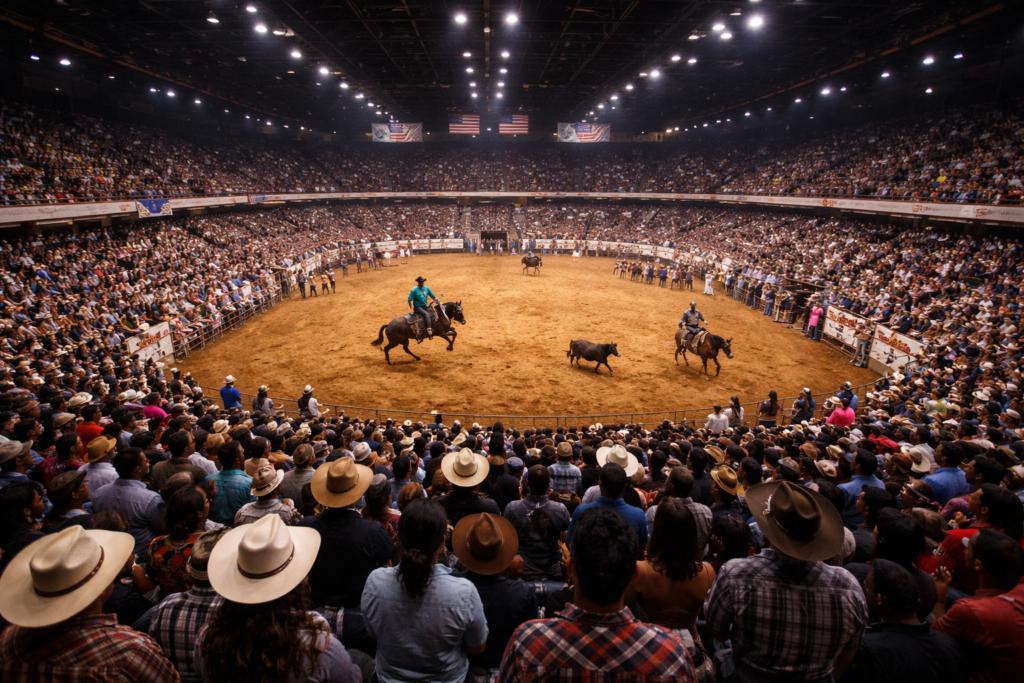
Black rodeos soon became more than just sporting events. They evolved into major cultural celebrations that brought together families, communities, and fans. These rodeos included events such as bull riding, bareback riding, saddle bronc riding, barrel racing, and calf roping. Many also feature youth competitions, live music, cowboy fashion, line dancing, and educational segments that teach audiences about the history of African American cowboys.
Another important part of Black rodeo culture is the promotion of youth. Many events host activities for young riders, helping to pass cowboy skills and traditions down to the next generation. Young cowboys and cowgirls often compete in events like mutton bustin’, junior barrel racing, and youth roping competitions. These opportunities help preserve a legacy that dates back more than 150 years.
Today, Black rodeos are held across the United States, especially in states like Texas, Oklahoma, California, Arizona, Louisiana, Mississippi, Georgia, and Alabama. They serve as a reminder that African Americans played a major role in shaping the history of the American West.
Events like the Mobile Black Rodeo build on this tradition by bringing the excitement of rodeo culture to new audiences while honoring the contributions of African American cowboys and cowgirls throughout history. These events not only entertain crowds but also help tell an important story—one that ensures the legacy of the Black cowboy is recognized, respected, and remembered.